























LiquidWeb Alternatives: Best Bare-Metal Hosting Options
A strong liquidweb alternative should give businesses bare metal performance, predictable server isolation, European hosting options, bandwidth flexibility, and a clean path from VPS to dedicated infrastructure. The right choice depends on workload risk, user location, traffic behavior, support expectations, and whether the server must handle production applications without noisy-neighbor limits.
For SaaS companies, agencies, gaming platforms, streaming projects, and infrastructure teams, bare metal hosting is not just about owning more hardware. It is about reducing performance uncertainty, improving control, and matching infrastructure to real operational needs. Buyers comparing Dedicated Servers should evaluate CPU, RAM, storage, bandwidth, DDoS protection, routing, backup planning, and migration effort before choosing an alternative provider.
Bare Metal Hosting
Dedicated Servers
When a LiquidWeb Alternative Makes Sense for Bare Metal Hosting
A liquidweb alternative makes sense when a business needs more control over server location, cost structure, bandwidth planning, or dedicated infrastructure flexibility. Bare metal hosting is most useful when workload isolation, predictable performance, and direct server control matter more than the convenience of shared or fully managed hosting.
Bare metal hosting gives a business access to dedicated physical resources. That matters for workloads where shared virtual environments create risk. A SaaS platform with database-heavy operations, a game server with latency-sensitive sessions, or an agency hosting multiple client projects may eventually outgrow VPS hosting. The issue is not that VPS is weak. The issue is that virtualized infrastructure can become less predictable when traffic, I/O, or uptime requirements increase.
A practical buyer should compare alternatives through a workload lens:
- Choose VPS when flexibility and lower cost matter most: This works for staging, internal tools, smaller SaaS applications, and controlled workloads.
- Choose bare metal hosting when isolation matters: Dedicated resources are better for heavy databases, high user concurrency, gaming workloads, and production environments with strict performance expectations.
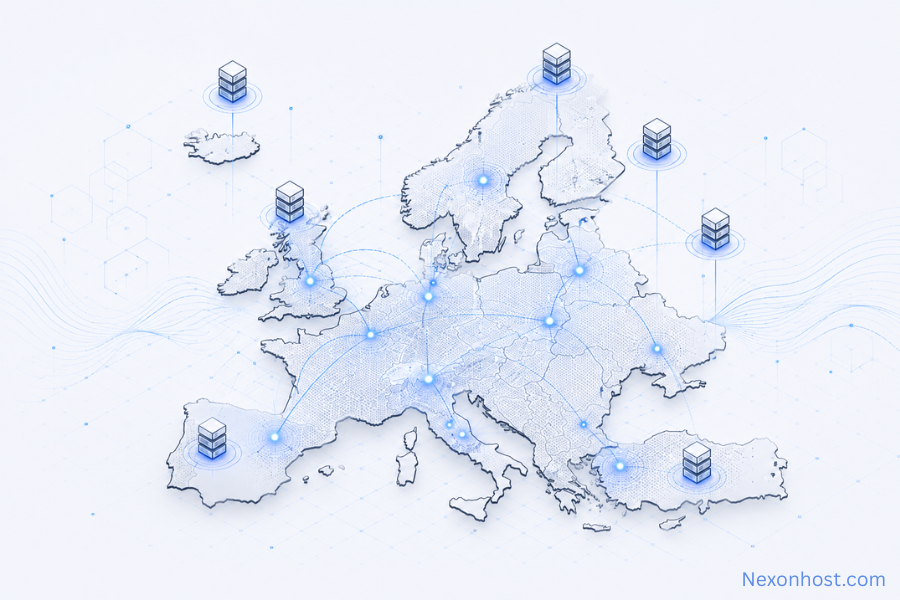
- Choose European infrastructure when users are concentrated in Europe: A dedicated server europe setup can reduce unnecessary routing distance and improve regional fit for latency-sensitive workloads.
- Choose unmetered bandwidth only when traffic justifies it: Media delivery, downloads, backups, streaming, and high-volume platforms benefit more than basic corporate websites.
Liquid Web’s own data center documentation lists Amsterdam as an EU location, which means buyers should not assume the alternative decision is only about whether Europe exists. The sharper decision is whether the provider’s European location, routing, bandwidth terms, bare metal pricing, and support model fit the workload better.
For businesses comparing bandwidth-heavy infrastructure, Unmetered Dedicated Hosting is useful when monthly transfer predictability matters as much as server power.
How Does Bare Metal Hosting Infrastructure Affect Performance, Isolation, and Scalability?
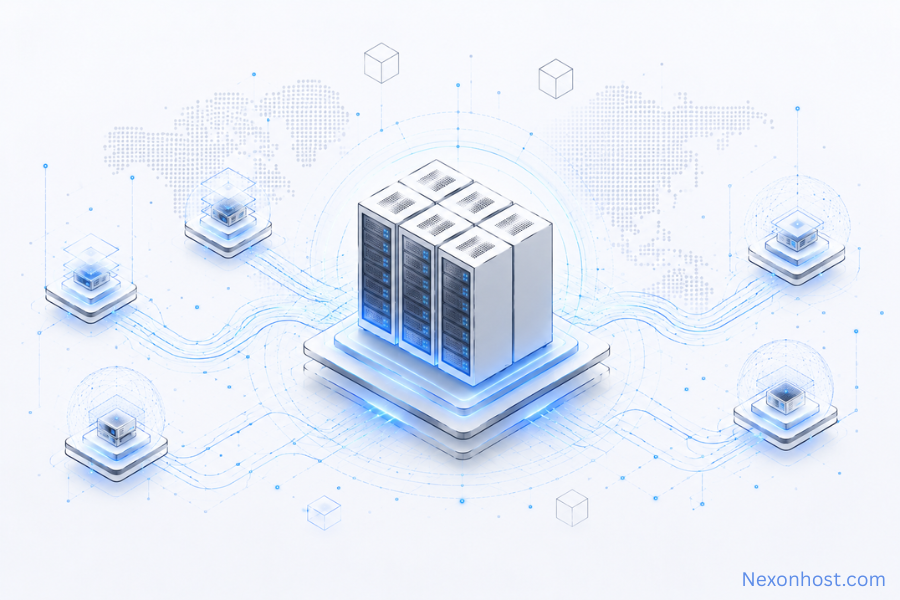
Bare metal hosting works by giving one customer dedicated access to physical server resources rather than sharing virtualized capacity with other tenants. That changes how buyers should evaluate CPU consistency, RAM allocation, storage performance, network capacity, and security isolation.
At the CPU layer, bare metal servers are useful when workloads need consistent processing power. Game logic, analytics jobs, compression tasks, API requests, and application workers can all suffer when resource contention appears. A VPS may be fine during early growth, but dedicated hardware becomes more practical when performance drops during peak usage.
At the RAM layer, dedicated infrastructure gives more predictable memory availability. This matters for databases, caching layers, containerized services, search tools, and dashboards. A workload may not need maximum RAM every minute, but it needs enough headroom during traffic spikes, deployments, or background jobs.
At the storage layer, NVMe or SSD configurations can affect database response, log writes, media processing, and backup operations. Buyers should not look only at total storage size. Storage type, redundancy model, backup location, and I/O behavior are more important for serious workloads.
At the network layer, bandwidth, port speed, routing, and DDoS protection decide whether users can consistently reach the application. A powerful server with poor routing can still deliver a weak experience. For European workloads, route quality often matters as much as raw server specs.
Buyers comparing Windows workloads can review Windows VPS Europe when licensing, remote desktop access, Microsoft-based applications, or VPS versus dedicated decisions affect the deployment path.
The most overlooked insight is that bare metal does not automatically mean better architecture. It gives more control, but the buyer still needs sane application design, monitoring, backups, firewall rules, and scaling logic. Dedicated hardware removes noisy-neighbor risk, not poor infrastructure planning.
Which Workloads Benefit Most from Bare Metal Hosting Instead of VPS?
Bare metal hosting is most valuable when the workload has predictable resource demand, high traffic exposure, strict isolation needs, or performance-sensitive users. The best alternative depends on how the application behaves under pressure, not just how much CPU or RAM appears on the plan page.
For SaaS platforms, bare metal infrastructure can support application servers, databases, private APIs, analytics jobs, and customer dashboards. A small SaaS product can start on VPS hosting, but once paying customers depend on reliable access, performance consistency becomes a business issue. The upgrade becomes especially relevant when database writes, background processing, and concurrent logins increase.
Gaming platforms are different. They need low latency, stable packet delivery, DDoS-aware infrastructure, and fast incident response. A bare metal server can help because game traffic benefits from predictable CPU and network behavior. But location still matters. A server far from the player base can create avoidable latency even if the hardware is strong.
Streaming and CDN-heavy workloads need bandwidth planning. Video files, patches, downloads, and media libraries can create heavy legitimate traffic. These buyers should focus on port capacity, unmetered bandwidth terms, storage throughput, and whether the provider can handle traffic growth without forcing a disruptive migration.
Agencies and hosting resellers need workload separation. Putting many clients on one underpowered VPS can create support headaches when one client receives traffic spikes or runs inefficient plugins. Bare metal hosting gives more control, but the agency still needs client isolation, monitoring, backups, and resource planning.
eCommerce brands need stability around campaigns, checkout, product search, and payment flows. A short slowdown during a peak sale can hurt conversion even without a full outage.
For buyers who are not ready for bare metal but still need bandwidth flexibility, Unmetered Linux VPS can be a practical step before moving into dedicated infrastructure.
Deployment Strategy for VPS, Bare Metal, and Dedicated Server Europe Options
A good deployment strategy starts by deciding whether the workload needs VPS flexibility or bare metal isolation. Choosing the bigger server too early wastes budget. Staying on VPS too long creates performance, security, and migration risk.
Use this practical decision path:
- Start with VPS for controlled workloads: Internal tools, testing environments, small websites, lightweight SaaS modules, and development servers can often run well on VPS hosting.
- Move to bare metal when performance must be predictable: Heavy databases, public SaaS platforms, gaming servers, streaming workloads, reseller hosting, and high-traffic eCommerce stores often justify dedicated hardware.
- Choose server location based on users: Europe-based audiences should generally be served from European infrastructure when latency matters. Germany, Netherlands, Romania, and other locations can each make sense depending on traffic concentration.
- Plan bandwidth around real behavior: Do not size bandwidth only around average website traffic. Include backups, file transfers, CDN origin pulls, software updates, campaign spikes, bot traffic, and possible DDoS events.
- Build migration steps before switching traffic: Audit DNS, SSL certificates, application dependencies, databases, firewall rules, ports, backups, cron jobs, and monitoring before moving production workloads.
- Use monitoring and backup separation: Monitoring should check the server externally. Backups should not live only on the same machine they are meant to recover.
NIST storage security guidance recommends defining backup frequency, retention, backup type, media, and encryption requirements, which supports treating backup design as part of infrastructure deployment rather than a task added after launch.

For Linux-based infrastructure teams, Linux VPS Hosting can be useful when command-line control, custom software stacks, and staged migration planning are needed before shifting workloads to dedicated servers.
How Does the Right Bare Metal Hosting Provider Impact Performance, Cost, and Growth?
The right bare metal hosting decision improves performance consistency, customer experience, infrastructure ROI, cost control, uptime planning, and operational security. The wrong decision creates recurring problems: overpaying for unused capacity, underbuying for production workloads, weak routing, slow migrations, and support pressure during traffic incidents.
A commercial buyer should not ask only, “Who is cheaper than Liquid Web?” That is too narrow. The better question is: “Which provider gives the right infrastructure model for our workload and region?” For a SaaS team, the answer may depend on database stability and API uptime. For a gaming platform, latency and packet stability matter more. For an agency, client isolation and support responsiveness may matter most. For streaming or downloads, bandwidth terms and port speed drive the decision.
NexonHost becomes relevant when the buyer needs European dedicated hosting, flexible VPS paths, bare metal-style control, and infrastructure that can scale from smaller workloads into more serious production environments. Businesses comparing options can review LiquidWeb Alternatives when they need to evaluate bare metal hosting, European infrastructure, pricing logic, and deployment fit in one place.
A good buying decision should answer:
- Does the server location match the user base?
- Does the workload need VPS flexibility or dedicated isolation?
- Is bandwidth predictable enough for the business model?
- Are backups and monitoring planned before launch?
- Can the provider support future migration or scaling?
- Does the cost match real usage, not just maximum theoretical specs?
This is where dedicated server europe planning becomes practical. The goal is not buying the largest server. The goal is buying infrastructure that fits the risk profile and growth path.
What Mistakes Should Businesses Avoid When Comparing LiquidWeb Alternatives?
The biggest mistake is comparing alternatives only by monthly price. A cheaper server can become expensive if it has weak routing, unclear bandwidth rules, poor support response, limited scaling options, or inadequate security controls.
Another mistake is assuming bare metal is always required. Some workloads should start on VPS. If the business is testing an application, running internal tools, or hosting a low-traffic project, VPS may be enough. Overbuying dedicated infrastructure early can waste budget that should go toward monitoring, backups, development, or customer acquisition.
The reverse mistake is waiting too long to leave VPS. If a workload has heavy databases, frequent traffic spikes, high user concurrency, gaming traffic, or client hosting risk, staying on VPS can create performance instability. Dedicated infrastructure becomes practical when reliability matters more than squeezing the lowest monthly cost.
Other common mistakes include:
- Ignoring server location: A strong server in the wrong region can create unnecessary latency for users.
- Underestimating bandwidth: Backups, file downloads, media delivery, bot activity, and campaign traffic can consume more transfer than expected.
- Treating DDoS protection as optional: Public production workloads should be planned with attack exposure in mind.
- Skipping migration planning: DNS, SSL, databases, ports, firewall rules, and rollback steps should be tested before traffic moves.
- Failing to segment workloads: Hosting unrelated client or production services on one environment creates avoidable risk.
Buyers who are ready to compare production-grade infrastructure can review Dedicated Servers Hosting when VPS resources no longer provide enough isolation, bandwidth, or operational control.
Bare Metal Hosting
Dedicated Servers
Choose a LiquidWeb Alternative Based on Workload Fit, Not Brand Familiarity
A practical liquidweb alternative should be chosen by workload fit, not by brand comparison alone. Bare metal hosting is useful when isolation, performance predictability, bandwidth planning, and regional server control matter. VPS hosting is still valid for lighter workloads, internal tools, test environments, and early-stage applications.
The best path is to map your workload first. Identify user location, peak traffic, storage needs, security exposure, support expectations, and growth timeline. Then choose VPS, bare metal, or dedicated infrastructure based on the actual operational risk.
NexonHost is a practical option for businesses that need European hosting, dedicated server control, VPS flexibility, unmetered bandwidth paths, and infrastructure that can scale as workloads mature. Review the workload honestly before choosing a plan.
Frequently Asked Questions
1. What is the best LiquidWeb alternative for bare metal hosting?
The best LiquidWeb alternative for bare metal hosting depends on workload type, server location, bandwidth needs, support expectations, and security requirements. SaaS, gaming, streaming, eCommerce, and reseller workloads may need different server configurations. A good alternative should offer dedicated resources, clear upgrade paths, reliable networking, and hosting options close to the target audience.
2. Is bare metal hosting better than VPS hosting?
Bare metal hosting is better when workloads need dedicated physical resources, stronger isolation, predictable performance, and more control over server configuration. VPS hosting is usually better for smaller projects, testing, lightweight applications, and cost-sensitive workloads. The upgrade point comes when traffic, database load, security exposure, or uptime requirements make shared virtual resources too risky.
3. When should I choose a dedicated server in Europe?
Choose a dedicated server in Europe when your users, customers, or operations are concentrated across European markets and latency matters. It is also practical for workloads needing stronger isolation, high bandwidth, predictable performance, or DDoS-aware infrastructure. Server location should be selected based on user geography, routing quality, application sensitivity, and business continuity needs.
4. Does bare metal hosting need DDoS protection?
Yes, bare metal hosting should include DDoS protection when the server is public-facing or supports customer workloads. Dedicated hardware improves isolation, but attacks can still target bandwidth, ports, applications, and exposed services. DDoS protection should be combined with firewall rules, monitoring, backups, access control, and incident response planning.
5. Is unmetered bandwidth important for dedicated servers?
Unmetered bandwidth is important when traffic volume is sustained, unpredictable, or expensive to meter. Streaming, downloads, backups, high-traffic websites, gaming updates, and reseller hosting can benefit from predictable transfer costs. Buyers should still verify port speed, fair usage rules, routing quality, and whether server resources can handle peak traffic.
6. How do I compare LiquidWeb alternatives for European hosting?
Compare alternatives by server location, hardware options, bandwidth policy, support response, DDoS protection, migration support, upgrade paths, and total cost for the workload. Do not compare only advertised CPU and RAM. A good European hosting decision should match user location, latency needs, traffic behavior, and operational risk.
7. Should I start with VPS or dedicated hosting for a new project?
Start with VPS when the project is small, traffic is controlled, and the workload does not need strict isolation. Choose dedicated hosting when the project supports paying users, heavy databases, high traffic, gaming workloads, or client environments. The decision should be based on risk and performance requirements, not only starting price.