























Breaking: Why DDoS Attacks Are Increasing in Europe (2026 Trends)
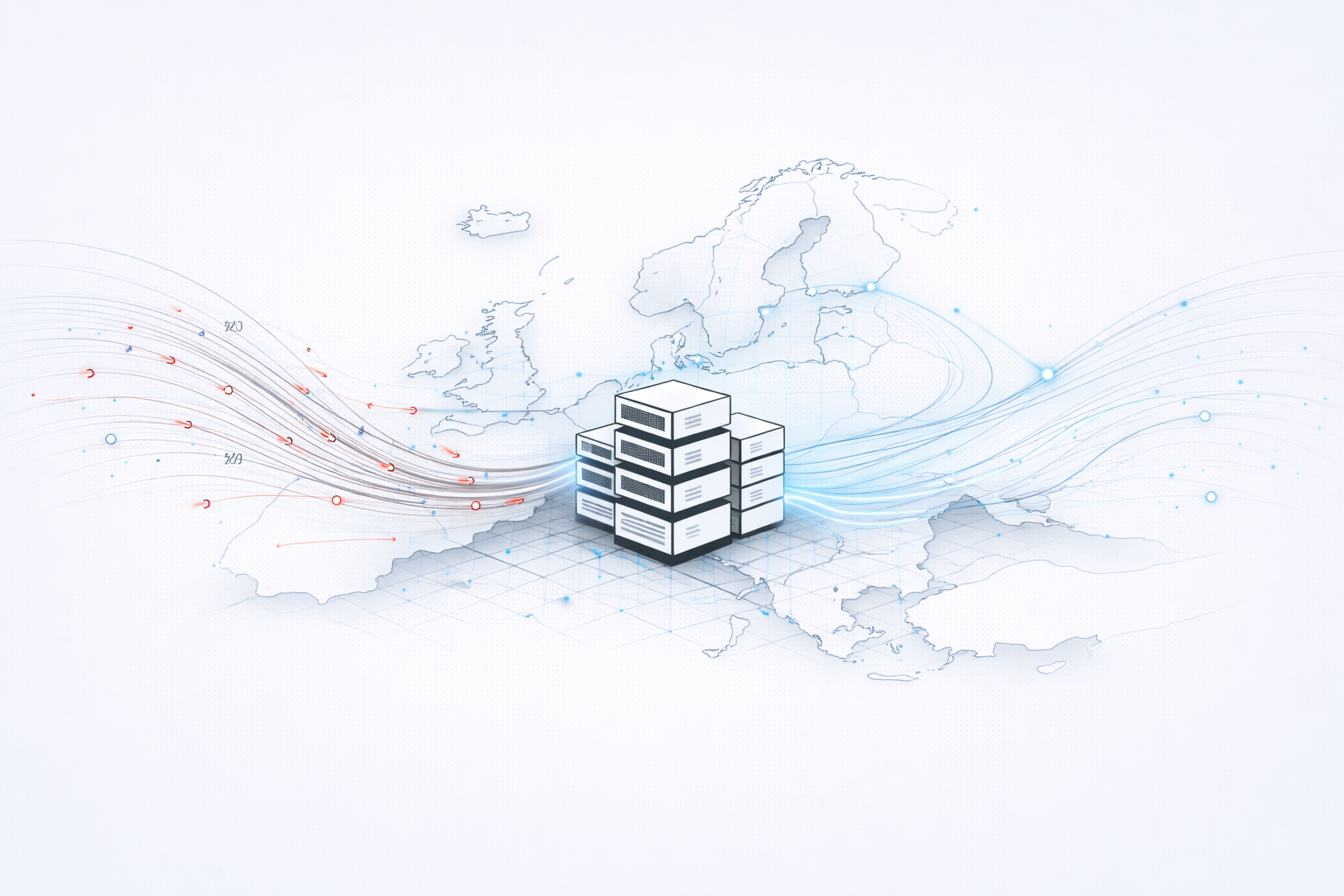
DDoS attacks in Europe are not just increasing, they are evolving in ways that most infrastructure teams are not prepared for. What used to be sporadic, large-scale volumetric attacks has now shifted into continuous, adaptive, and often targeted disruptions.
For businesses relying on a ddos protection server, this shift changes everything. It is no longer enough to deploy protection reactively. Infrastructure must now assume attack conditions as part of normal operations.
That is why many teams are now evaluating remote DDoS protection as part of their core infrastructure strategy. Instead of waiting for an attack to disrupt services, remote protection helps filter malicious traffic before it reaches critical servers, applications, or customer-facing platforms.
The reason this matters now is simple. European infrastructure has become denser, more regulated, and more interconnected. That combination creates both opportunity and exposure.
This analysis breaks down what is driving the rise in attacks, how threat patterns are changing, and what organizations should realistically expect when evaluating ddos mitigation services and selecting the best ddos protection strategies.
The Structural Shift Behind Rising DDoS Attacks
DDoS attacks are not increasing because attackers suddenly became smarter. They are increasing because infrastructure became predictable, standardized, and easier to map.
European hosting environments, especially those built on EU dedicated server ecosystems, offer stable routing, consistent latency, and high bandwidth availability. These are strengths for businesses, but they are also predictable patterns that attackers can study, replicate, and exploit.
So the real issue is not attack sophistication. It is infrastructure transparency.
Why Europe specifically? The answer sits at the intersection of regulation, connectivity, and density.
Regulatory pressure plays a major role. With GDPR and strict data integrity expectations, European systems are built to avoid downtime at all costs. That makes them highly sensitive to disruption. Attackers understand this sensitivity and use it as leverage.
Network centralization adds another layer. Europe hosts some of the most connected internet exchange points in the world. Traffic flows through fewer, highly concentrated channels. This creates high-value disruption targets where a single attack can impact multiple dependent systems.
At this point, the question is no longer theoretical. Are attackers targeting infrastructure or the businesses built on top of it? The answer is both.
This is where smaller organizations start struggling. They operate on similar infrastructure patterns but without enterprise-grade defense. Which naturally leads to a practical concern: what are the best DDoS mitigation services for small businesses that can actually provide real protection instead of marketing claims?
For businesses comparing the best ddos mitigation service providers europe, the priority should be proven mitigation architecture, regional network strength, and transparency during live attacks. European providers may look similar on paper, but their real value shows when traffic pressure increases.
Most solutions marketed as an anti ddos solution are still reactive. They assume attack detection after impact, not prevention before exposure. That is where the gap begins.
Defend Servers in Minutes
DDoS Protection
How Attack Patterns Are Evolving in 2026
The evolution of DDoS attacks is not incremental. It is structural. The nature of attacks has shifted from brute force to precision disruption.
Application Layer Attacks Are Dominating
Attackers are no longer focused on saturating bandwidth. They target application behavior. They mimic real users, send legitimate-looking requests, and slowly exhaust server resources.
This makes detection extremely difficult. Traditional filtering cannot distinguish between a real customer and a malicious request.
Which brings up a critical evaluation point: what are the key features to look for in a cloud-based DDoS defense service that can accurately differentiate behavioral anomalies?
If a system cannot do behavioral analysis, it is not providing the best DDoS protection. It is just filtering noise.
Multi Vector Attacks Are Becoming Standard
Modern attacks are layered. A volumetric flood may hit the network while application-level requests simultaneously target APIs and login endpoints.
This forces the ddos protection server to handle multiple threat vectors at the same time. Many systems fail here because they are designed to mitigate one type of attack, not combinations.
This leads to a more relevant comparison question. How do you compare different anti-DDoS solutions for e-commerce websites when real attacks no longer follow predictable patterns?
Short Burst Attacks Are Increasing
Instead of long attacks, attackers now deploy short, high-intensity bursts. These attacks disrupt services without triggering long-term alerts.
For an e-commerce platform, even a few seconds of disruption during checkout can result in lost revenue.
That is why businesses are now asking: what are the most reliable DDoS protection services for e-commerce sites that can handle intermittent attack spikes without performance degradation?
Targeted Infrastructure Attacks Are Rising
Attackers are no longer targeting entire networks. They focus on specific services, APIs, and endpoints with known weaknesses.
This creates a gap in most protection systems. Network-level filtering is not enough.
So the real question becomes: where can you find reliable DDoS protection for a dedicated server that also protects application-level vulnerabilities?
A dedicated server with DDoS protection should protect more than raw bandwidth. It should combine network-level filtering, application-layer visibility, and fast mitigation response so targeted attacks do not overwhelm specific services, APIs, or user-facing endpoints.
Without this layer, any anti ddos solution remains incomplete.

Why Traditional DDoS Protection Models Are Failing
Most organizations still operate under outdated assumptions about DDoS protection.
The biggest mistake is equating bandwidth with protection. High bandwidth allows systems to absorb traffic, but it does not stop application exhaustion.
Another failure point is delayed mitigation. If attack filtering begins after traffic reaches the server, damage has already occurred. At that stage, recovery is reactive, not preventive.
This leads to a fundamental infrastructure question. Where does mitigation actually occur in your architecture? Is it upstream, at the edge, or inside the server?
Understanding ddos mitigation services how they work is essential because mitigation location directly affects protection quality. If malicious traffic is filtered upstream or at the edge, the server remains stable; if filtering happens too late, resources are already under pressure.
If mitigation is not upstream, your ddos protection server is already exposed before defense begins.
There is also over-reliance on cloud-based protection. While cloud systems are flexible, they introduce routing complexity and latency in some cases.
So the real evaluation is not cloud vs non-cloud. It is effectiveness under attack conditions. When you compare DDoS mitigation providers with cloud-based options, how many actually maintain performance during high-pressure scenarios?
Another overlooked distinction is mitigation mode. What is the difference between always-on and on-demand DDoS mitigation?
Always-on systems filter continuously and provide immediate response. On-demand systems activate after detection, which introduces delay.
That delay is often the difference between uptime and disruption.
The Role of European Infrastructure in Attack Growth
European infrastructure is both an advantage and a vulnerability.
Dense Network Interconnection
European data centers are highly interconnected. This enables fast communication across regions, which benefits businesses.
However, this same interconnection allows attack traffic to spread rapidly. A single attack vector can propagate across multiple networks without friction.
This raises a deeper architectural question. How do you choose the right DDoS protection server for your network infrastructure when exposure is amplified by connectivity?
High Bandwidth Availability
Unmetered bandwidth and high-capacity servers are common in Europe. This supports large-scale applications.
But it also lowers the barrier for attack generation. Attackers can leverage similar infrastructure to generate high-volume traffic.
Location still matters when evaluating exposure and resilience, especially for businesses considering a Romania dedicated server for European workloads. Regional routing, bandwidth availability, and mitigation design all influence how well infrastructure performs during both normal traffic spikes and attack conditions.
This leads to a procurement-level question. Where can businesses buy DDoS protection services with scalable plans that match this level of bandwidth demand?
Regulatory Sensitivity
European businesses operate under strict compliance frameworks. Downtime is not just a technical issue. It can become a legal and financial risk.
This is particularly critical for financial institutions. Which is why organizations ask: which DDoS mitigation services specialize in financial institutions where uptime and compliance are equally critical?
Centralized Traffic Routing
Major exchange points concentrate traffic flow. This creates efficient routing but also creates single points of failure.
The challenge is not avoiding centralization. It is protecting it effectively.
What Modern DDoS Mitigation Services Must Include
Modern protection is not about features. It is about architecture.
Upstream Traffic Filtering
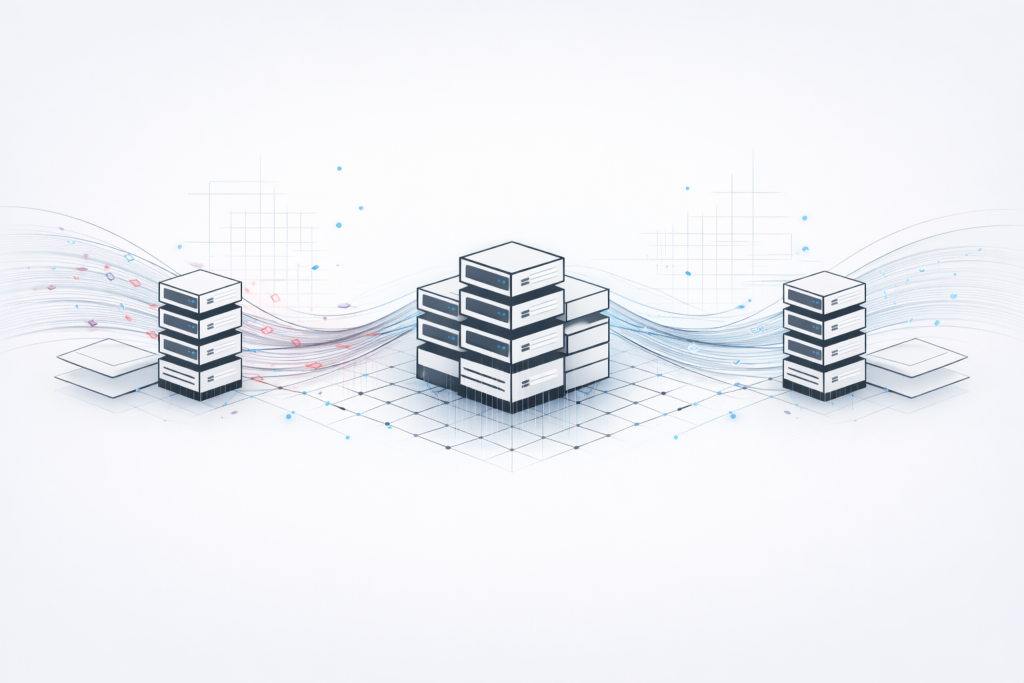
Traffic must be filtered before it reaches the server. This reduces load and prevents saturation.
If filtering happens at the server level, the attack has already consumed resources. True protection begins before the traffic touches your infrastructure.
Behavioral Analysis Systems
Volume-based filtering is outdated. Systems must analyze patterns, session behavior, and request anomalies.
This allows detection of application-layer attacks that mimic real users. Without behavioral analysis, even the best ddos protection claims fall apart under real conditions.
Real Time Adaptive Responses
Static rules cannot handle dynamic attacks. Systems must adapt automatically based on traffic behavior.
This ensures that new attack patterns are handled without manual intervention.
Which leads to a critical evaluation: how effective are hardware vs software anti ddos solutions when facing unpredictable, evolving threats?
Integrated Network and Application Protection
Protection must operate across layers. Network-level defense handles volume. Application-level defense handles behavior.
Without integration, gaps appear between layers.
At this stage, evaluation should shift from features to validation. How do you test the effectiveness of an anti ddos solution before trusting it in production?
If a provider cannot demonstrate real attack simulation, their claims are theoretical.
Real World Impact on Businesses
DDoS attacks directly impact business performance.
E-commerce platforms lose transactions during downtime. SaaS companies lose user trust. Financial institutions risk compliance violations.
But the hidden factor is cost.
Businesses often underestimate the cost of protection until they experience an attack. Which raises a realistic question: how much does enterprise-level DDoS protection typically cost per month, and how does it scale with traffic?
For startups, the concern is different. They need protection but cannot afford enterprise pricing.
This leads to another question: are there affordable anti ddos solutions for startups that still provide meaningful protection?
Some businesses attempt to rely on free solutions. That raises another important point. Are there free DDoS protection services for personal websites that offer real protection or just basic filtering?
The answer is usually limited capability.
Which is why choosing the right ddos protection server becomes a business decision, not just a technical one.
What Teams Should Expect
Effective DDoS mitigation requires continuous effort.
Traffic Profiling and Baseline Analysis
Teams must understand normal traffic behavior. This includes peak usage, request patterns, and geographic distribution.
Without a baseline, it becomes impossible to detect anomalies accurately.
Continuous Monitoring and Alerting
Monitoring systems must track both network and application metrics in real time.
Early detection allows faster response and reduces impact.
Regular Mitigation Testing
Simulated attacks help identify weaknesses in the system.
Testing ensures that mitigation systems perform under real conditions, not just theoretical scenarios.
Before trusting a provider, teams should use a ddos mitigation providers dedicated server checklist to verify filtering layers, response workflows, mitigation capacity, and monitoring readiness. This helps expose weak claims before those weaknesses turn into downtime during an actual attack.
This becomes especially critical for gaming platforms. What are the best practices for implementing an anti-DDoS solution on a game server where latency and uptime are both critical?
Cross Team Coordination
Security, DevOps, and infrastructure teams must work together.
Misalignment between teams creates gaps in protection.
Integration is often the hardest part. What are the best practices for integrating DDoS protection servers into existing infrastructure without affecting performance?
This is where most implementations fail.
Choosing the Right Protection Strategy
Choosing protection requires clarity, not assumptions.
Understanding risk is the first step. Different applications face different attack patterns.
Transparency is critical. Providers must clearly explain how their systems work. If they cannot, they should not be trusted.
Scalability is non-negotiable. Protection must handle traffic spikes without failure.
When comparing DDoS mitigation services, businesses should look beyond basic traffic filtering and evaluate response speed, upstream mitigation, attack visibility, and support quality. The right service should protect availability without creating unnecessary latency or operational complexity.
This leads to a time-sensitive concern. Which companies offer the fastest DDoS protection server setup when immediate deployment is required?
Performance must also be balanced with security. Protection should not degrade user experience.
And if you are serious about evaluation, you should ask: where can you request a demo for advanced website DDoS protection that simulates real-world attack scenarios?
If a provider cannot demonstrate performance, they cannot guarantee it.
Defend Servers in Minutes
DDoS Protection
FAQs
Why are DDoS attacks increasing in Europe?
DDoS attacks are increasing in Europe due to dense network interconnections, high bandwidth infrastructure, and strict regulatory environments. These factors make European systems highly valuable targets. Attackers exploit predictable routing and centralized exchanges to maximize disruption impact across multiple dependent services and businesses.
Do DDoS mitigation services stop all attacks?
No DDoS mitigation service can completely stop every attack. The goal is to reduce impact, maintain uptime, and filter malicious traffic effectively. The success of any anti ddos solution depends on architecture, response time, and how well it adapts to evolving attack patterns in real time.
Is a DDoS protection server enough on its own?
A standalone ddos protection server is not enough for complete protection. Effective defense requires a multi-layered approach that includes upstream filtering, behavioral analysis, and continuous monitoring. Without integration across network and application layers, vulnerabilities remain exposed under advanced attack scenarios.
What is the best anti DDoS solution today?
The best ddos protection solutions combine upstream filtering, real-time adaptive responses, and behavioral analysis systems. There is no universal answer because effectiveness depends on infrastructure, traffic patterns, and risk exposure. A solution must be tested under real conditions to validate its reliability.
Are unmetered servers more vulnerable to DDoS attacks?
Unmetered servers are not inherently more vulnerable, but they can attract larger attacks due to their high bandwidth capacity. Without proper filtering and mitigation systems in place, attackers can exploit this capacity. Protection depends on the quality of the anti ddos solution integrated with the server.
Built for Pressure, Not Just Performance
The reality is simple. DDoS attacks are no longer rare events. They are part of the operating environment.
Infrastructure across Europe has created both opportunity and exposure. High bandwidth, centralized routing, and predictable systems have made disruption easier to execute and more damaging when successful.
Organizations that treat mitigation as an afterthought will continue to face avoidable failures.
Those that integrate ddos protection server architecture into their core infrastructure will operate with stability.
If you look at providers that combine hosting and mitigation at the infrastructure level, platforms like NexonHost are designed around this exact principle. Instead of adding protection later, the anti ddos solution is built into the environment itself, which reduces response time and improves resilience under real attack conditions.
The difference is not in having protection.
It is in whether your system is designed to survive under pressure.