





















What Are DDoS Mitigation Services and How Do They Work?
If you operate a high-traffic website, ecommerce platform, SaaS product, or API-driven service, DDoS mitigation is not theoretical risk management. It is operational survival. Infrastructure decisions around ddos mitigation services directly influence uptime, revenue stability, and customer trust when traffic conditions become hostile.
In 2026, denial-of-service attacks are no longer limited to large enterprises. Mid-sized platforms are frequently targeted for extortion, competitive disruption, or opportunistic exploitation. At the same time, user tolerance for downtime has sharply declined. Even brief instability can translate into measurable financial loss and long-term reputational damage.
This guide provides architectural clarity. It explains what ddos mitigation services include in real operational terms, how a modern anti ddos solution functions across network and application layers, the structural difference between local filtering and remote ddos protection, how to evaluate ddos protection providers realistically, and what organizations should expect during deployment. The focus remains on practical infrastructure design rather than fear-driven narratives.
Why DDoS Mitigation Services Exist
A DDoS (Distributed Denial-of-Service) attack overwhelms infrastructure by flooding it with malicious traffic from distributed sources. The attacker does not need to exploit a vulnerability, crack credentials, or gain internal access. They only need to exhaust critical external resources such as:
- Network bandwidth
- TCP session limits
- Application processing capacity
- API endpoints
The simplicity of the attack model is what makes it dangerous. Instead of breaking into your system, attackers simply choke it from the outside.
Many businesses assume strong hosting alone is enough. They focus on hardware comparisons and ask questions like, Which type of server is best? or Which is the best dedicated server? Others debate architecture decisions such as, Is a dedicated server better than VPS?
But those questions miss a fundamental infrastructure reality: hardware strength does not equal network resilience. A powerful CPU, large RAM allocation, or high IOPS storage does nothing if the incoming traffic volume exceeds your upstream bandwidth capacity.
This is precisely why ddos mitigation services exist as a specialized category rather than a standard checkbox feature inside basic hosting plans.
Traditional firewalls operate at the server level. They can filter packets and block suspicious IP addresses – but only after traffic has already reached your network. If a volumetric attack saturates your 10Gbps uplink with 200Gbps of malicious traffic, your connection collapses before your firewall even has a chance to respond.
At that point, your server is not “under attack” internally. It is simply unreachable.
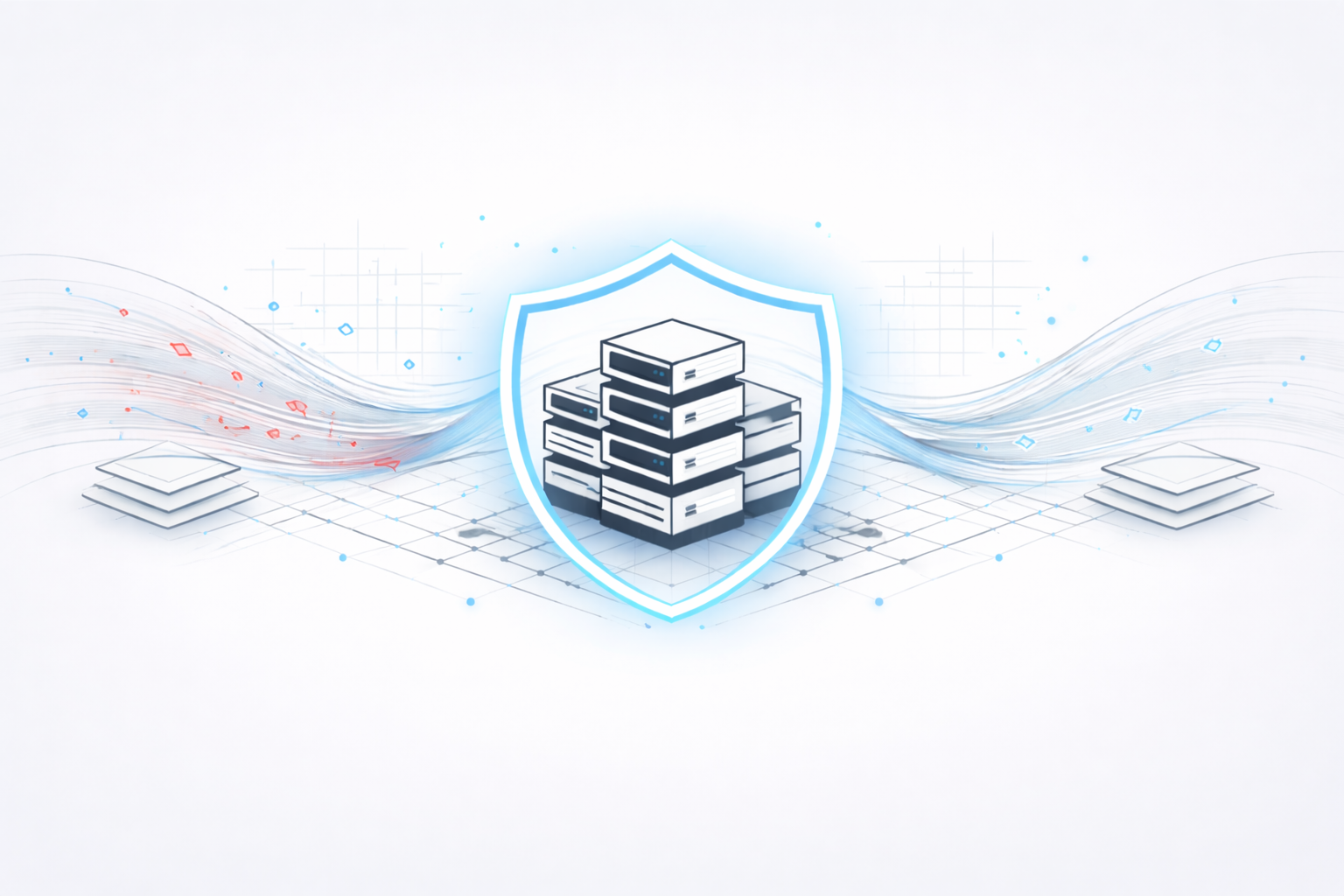
An effective anti ddos solution must operate upstream, before malicious traffic consumes your bandwidth pipe. This means traffic must be intercepted, inspected, filtered, and cleaned before it ever reaches your infrastructure.
This upstream-first architecture is the core reason ddos mitigation services exist as an independent layer. They are not an add-on feature. They are a network-level defense mechanism designed to protect availability itself.
The distinction is simple but critical:
Hosting protects your server.
Mitigation protects your connectivity.
Without upstream filtering, even the strongest infrastructure fails under sufficient volume.
The Three Primary Types of DDoS Attacks
To understand how mitigation works, you first need to understand what it is defending against.
1. Volumetric Attacks
These aim to saturate bandwidth using massive traffic floods, often measured in Gbps or Tbps. Examples include UDP floods and amplification attacks.
If your server port is 10Gbps and the attack exceeds that, without upstream mitigation your service goes offline.
This is where people confuse performance with resilience. They might ask, Is dedicated IP faster? or How much does a dedicated server cost? But speed and price do not determine survivability under a 500Gbps flood.
Bandwidth capacity must be absorbed upstream – not inside your rack.
2. Protocol Attacks
These exploit weaknesses in TCP/IP stack behavior, such as SYN floods or fragmented packet abuse.
They target connection state tables rather than bandwidth itself.
Even if you invested in what you believe is the best CPU for a dedicated server, protocol-level attacks are not solved by raw processing power alone. They exploit handshake mechanics and session limits.
Can your infrastructure validate connection integrity under stress? That’s the real question.
3. Application-Layer Attacks (Layer 7)
These mimic legitimate user requests but are automated and malicious. Login pages, search endpoints, and checkout flows are common targets.
Application-layer attacks are often harder to detect because traffic appears valid. Hardware strength is irrelevant if the application layer collapses under fake “real” users.
Some operators wonder, Do you need a good GPU to run a dedicated server? In most web infrastructure cases, GPU capability has nothing to do with surviving L7 DDoS behavior. Intelligent filtering matters more than computational brute force.
An effective anti ddos solution must address all three categories simultaneously.
Deploy Server in Minutes
Dedicated Servers
How DDoS Mitigation Services Work
At a high level, ddos mitigation services operate through traffic inspection, filtering, and clean forwarding.
Step 1: Traffic Redirection
When mitigation is engaged, incoming traffic is routed through scrubbing infrastructure. This can occur:
- Always-on (traffic always flows through mitigation layer)
- On-demand (traffic is rerouted during attack detection)
Routing may use BGP announcements or DNS adjustments.
Some businesses focus heavily on hardware choices, asking Which type of server is best? or Which is the most reliable server? But routing architecture matters more than server branding when attacks occur.
Is your mitigation reactive or always engaged? That choice affects detection speed and downtime risk.
Step 2: Traffic Inspection and Filtering
Inside scrubbing centers, traffic is analyzed in real time. Systems evaluate:
- Packet structure
- Source IP behavior
- Request rates
- Signature anomalies
- Behavioral patterns
Malicious traffic is dropped. Legitimate traffic is forwarded.
The strength of ddos protection providers depends less on server marketing claims and more on filtering intelligence and absorption capacity.
Step 3: Clean Traffic Forwarding
After filtering, clean traffic is tunneled or forwarded back to origin servers.
This is where remote ddos protection becomes critical. Remote mitigation centers absorb and clean traffic before it reaches your dedicated server or VPS.
If you’re evaluating infrastructure – whether that’s dedicated server hosting in the Netherlands or a VPS in Germany – the real question is not just performance. It’s whether upstream mitigation exists before traffic hits your rack.
Latency impact must be minimal. Poorly designed filtering pipelines introduce routing inefficiencies.
Remote DDoS Protection vs Local Server Filtering
Understanding this distinction is essential when evaluating ddos protection providers. Not all protection models are built the same, and many businesses confuse local filtering with true mitigation capacity.
Local Filtering
Local filtering occurs directly on the server firewall or within the hosting provider’s basic edge protection.
It can:
- Block suspicious IP addresses
- Filter malformed packets
- Rate-limit connection attempts
- Stop small-scale attacks
This approach works well against low-volume or unsophisticated threats. However, it has one critical structural weakness: it cannot prevent bandwidth saturation.
If your upstream link is full, the server never sees legitimate traffic. The firewall cannot filter what it cannot receive. At that point, it does not matter whether you are using high-bandwidth dedicated servers or debating, Which is the best server in the world?
Once the network link is saturated, your service is offline.
Local filtering protects the server. It does not protect the pipe.
Remote DDoS Protection
Remote ddos protection operates before traffic reaches your infrastructure. Instead of filtering inside your rack, it reroutes incoming traffic through large-scale scrubbing centers with significantly higher bandwidth absorption capacity.
This model:
- Absorbs massive volumetric floods
- Filters malicious packets at scale
- Protects upstream connectivity
- Maintains service availability during attacks
- Preserves clean traffic flow to origin servers
In a remote architecture, attack traffic is diverted through mitigation networks that may have terabits of capacity. Malicious packets are dropped. Legitimate traffic is forwarded through secure tunnels back to your server.
This is where professional ddos mitigation services separate themselves from basic hosting protection. The scale of absorption and intelligence of filtering define survivability.
For ecommerce platforms, SaaS environments, gaming infrastructure, financial systems, and API-heavy applications, uptime equals revenue. Downtime equals direct financial loss.
That is why a robust anti ddos solution must operate upstream and at scale.
When comparing ddos protection providers, the most important questions are:
- What is the maximum absorption capacity?
- Is protection always-on or reactive?
- Is filtering multi-layered (L3 through L7)?
- Is traffic cleaned before reaching the origin?
If you operate high-bandwidth infrastructure or revenue-generating platforms, remote ddos protection is not a premium luxury. It is foundational network architecture.
Local filtering reduces risk.
Remote mitigation preserves availability.
In 2026 and beyond, availability is the product.
What Makes an Anti DDoS Solution Effective in 2026?
Not all mitigation systems are equal.
An effective anti ddos solution should include:
- Large absorption capacity
- Multi-layer filtering (L3–L7)
- Real-time monitoring dashboards
- Automated mitigation triggers
- Transparent reporting
Capacity claims matter. Does the provider specify measurable bandwidth absorption, or do they use vague “unlimited” language?
Many businesses compare pricing – asking How much does a dedicated server cost? or even referencing mainstream providers. But cost transparency without protection transparency is meaningless.
The most reliable infrastructure in 2026 will not simply be the fastest or most expensive. It will be the one that absorbs attacks before they ever touch your core systems.
Transparency correlates with reliability.
Integration with Dedicated Hosting
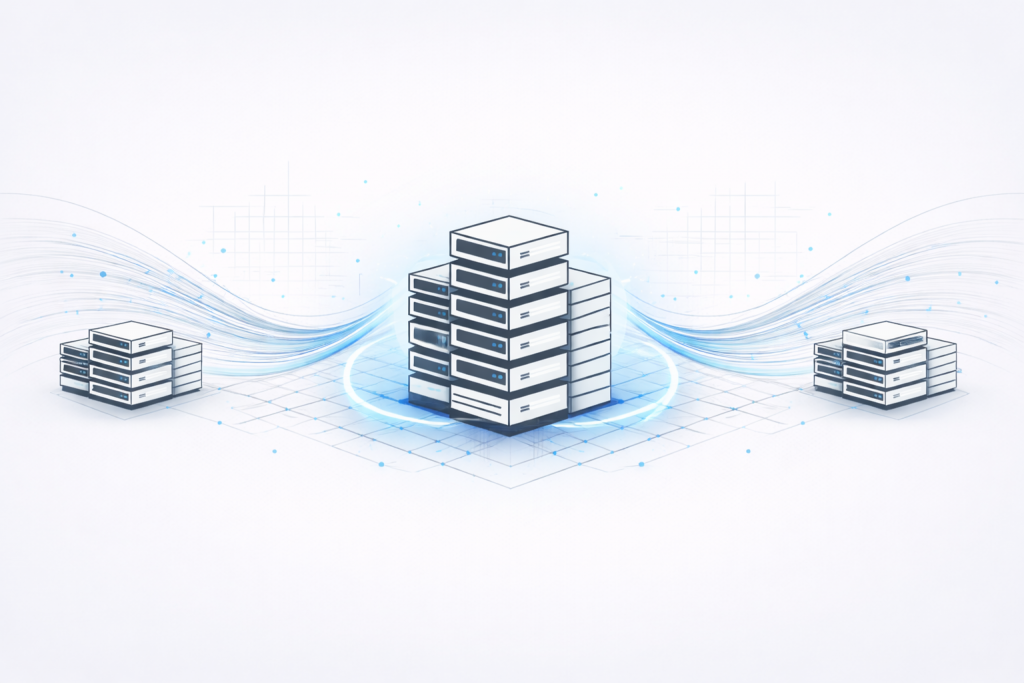
DDoS mitigation architecture must align directly with the hosting environment it protects. Many teams focus on infrastructure comparisons – asking Which type of server is best? or What is the most reliable server? – but reliability during normal operation is different from resilience during attack conditions. The strength of your hardware does not determine whether your network pipe stays open under a 300Gbps flood.
For businesses running dedicated infrastructure, ddos mitigation services must integrate with routing design, port capacity, logging systems, and performance monitoring. Network routing determines whether traffic can be diverted upstream using BGP or GRE tunneling. High-bandwidth ports ensure that once traffic is cleaned, legitimate users can still reach your services without congestion. Compliance logging provides audit trails during incidents, which is critical for regulated industries. Performance monitoring ensures mitigation does not quietly introduce latency or packet inspection bottlenecks.
Some businesses still debate architecture choices such as Is a dedicated server better than VPS? That matters for isolation and performance – but under a volumetric DDoS attack, both fail equally if mitigation is not upstream. Protection must be structural, built into the routing layer, not added after deployment.
Benefits of Proper DDoS Mitigation
When implemented correctly, ddos mitigation services deliver measurable business outcomes – not just technical safeguards. Uptime continuity ensures your platform remains accessible during attack events. Revenue protection follows naturally: if your checkout, API, or subscription flow stays online, income continues. Reduced reputational risk matters because users rarely differentiate between “under attack” and “poorly engineered.”
Compliance alignment is another overlooked benefit. Many industries require documented availability controls and incident response mechanisms. A properly designed anti ddos solution supports these requirements by providing logging, reporting, and mitigation transparency. Finally, operational predictability improves. Instead of engineering teams reacting in panic during attacks, automated mitigation absorbs malicious traffic upstream and forwards clean traffic seamlessly.
Businesses often ask performance questions like What is the best CPU for a dedicated server? or cost questions like How much does a dedicated server cost? Those are important for baseline capacity. But availability during hostile traffic conditions is determined by mitigation architecture – not processor selection.
What Buyers Should Expect
Deploying ddos mitigation services involves coordination. Expect traffic baseline analysis, routing configuration, application endpoint review, and mitigation threshold tuning. Baseline analysis establishes what “normal” traffic looks like so detection systems can distinguish legitimate spikes from malicious floods. Routing configuration ensures traffic can be redirected upstream before it saturates your link.
Application review is essential because Layer 7 attacks often target login forms, APIs, and search endpoints. Threshold tuning must be precise. Overly aggressive filtering blocks real users. Under-tuned systems allow attack traffic through. Flash sales or marketing campaigns can resemble DDoS behavior, so mitigation must differentiate between genuine traffic surges and malicious automation.
There are trade-offs: slightly more routing complexity, additional infrastructure cost, and configuration overhead. But those are controlled engineering variables. Downtime is not.
Deploy Server in Minutes
Dedicated Servers
How to Evaluate DDoS Protection Providers
When comparing ddos protection providers, evaluation must move beyond marketing language.
Key criteria include:
- Mitigation capacity should be quantifiable. Providers should specify terabit-level absorption limits or clear bandwidth guarantees. Vague “unlimited protection” claims lack engineering meaning.
- Filtering location determines survivability. True remote ddos protection occurs upstream, before traffic saturates your link. Local filtering at the server firewall is insufficient for large-scale volumetric attacks.
- Latency impact matters because poorly designed scrubbing centers introduce routing inefficiencies. Clean traffic forwarding must remain optimized.
- Transparency in reporting ensures you understand what occurred during mitigation events – attack size, vector type, duration, and filtered volume.
- Compliance documentation supports regulated industries that require formal resilience evidence.
- Integration with dedicated hosting ensures mitigation aligns with routing architecture and port capacity. Businesses often compare infrastructure based on performance metrics – asking, Is dedicated IP faster? or Which is the best server in the world? – but speed is irrelevant if filtering occurs too late in the traffic path.
If a provider cannot clearly explain where filtering occurs and how traffic is rerouted, that is a structural warning sign.
Would you be comfortable presenting their mitigation architecture, absorption capacity, and routing model to your board or compliance officer? If the answer is uncertain, the evaluation is incomplete.
In modern infrastructure strategy, resilience is not optional. It is engineered.
FAQs
1. What are ddos mitigation services?
They are infrastructure systems that detect, filter, and absorb malicious traffic before it overwhelms servers or network bandwidth.
2. What is an anti ddos solution?
An anti ddos solution includes network-layer and application-layer filtering technologies designed to maintain service availability during attacks.
3. How does remote ddos protection differ from firewall filtering?
Remote ddos protection absorbs traffic upstream before it saturates bandwidth. Firewalls operate locally and cannot prevent bandwidth exhaustion.
4. Are ddos protection providers necessary for dedicated servers?
Yes, especially for high-bandwidth or revenue-generating platforms where uptime is critical.
5. Do ddos mitigation services affect latency?
Properly designed systems introduce minimal latency and often stabilize performance under load.
Resilience Is Engineered, Not Installed
DDoS mitigation is not simply about filtering malicious packets. It is about preserving uptime, customer trust, and revenue when traffic patterns turn hostile without warning. As bandwidth demands increase and attack methods become more sophisticated, DDoS mitigation services cannot be treated as an add-on. They must be built directly into the infrastructure from day one.
Security architecture today is not a secondary checklist item. It is core engineering. Providers that understand this design networks for absorption, intelligent filtering, and rapid response at scale.
Platforms like NexonHost approach DDoS protection as a structural layer within their hosting environment rather than a reactive patch, ensuring infrastructure remains stable even under sustained attack conditions. In modern hosting, resilience is not optional – it is the baseline expectation.